


LEAD ISF International Workshop on Learning for Strategic Development
Leading together or leading to nowhere?
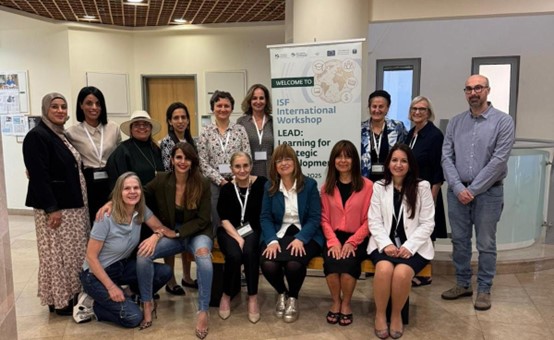
The LEAD: Learning for Strategic Development International ISF Workshop, hosted by Prof. Iris BenDavid-Hadar, Leadership, Organizational Development and Policy program at the Faculty of Education at Bar-Ilan University, took place from May 5-7, 2025. This significant academic gathering brought together leading researchers, policymakers, and practitioners from Israel and around the world to address critical issues in education finance, equity, and strategic development.
Professional Summary: LEAD ISF International Workshop on Learning for Strategic Development
Leading together or leading to nowhere?
The LEAD: Learning for Strategic Development International ISF Workshop, hosted by Prof. Iris BenDavid-Hadar, Leadership, Organizational Development and Policy program at the Faculty of Education at Bar-Ilan University, took place from May 5-7, 2025. This significant academic gathering brought together leading researchers, policymakers, and practitioners from Israel and around the world to address critical issues in education finance, equity, and strategic development.
Conference Overview
The three-day workshop was thoughtfully structured around three core themes:
- Education Finance and Policy (Day 1)
- Educational Equity, and Social Cohesion (Day 2)
- Learning and Global Competitiveness (Day 3)
The LEAD ISF organizing committee consisting of Sharon Malki-Levy, Ruth Meoded, Meidan Koresh, and Yael Hoter-Hermoni, chaired by Dr. Zehorit Dadon-Golan. The LEAD ISF international workshop featured distinguished speakers from prestigious higher education institutions including Stanford University, University of Pennsylvania, Columbia University, Vanderbilt University, and numerous Israeli academic institutions as well as highly ranked policy makers, and philanthropy agents. It sets the foundation for a solid thought-provoking discussion. Prof. Zmira Mevarech, the Israeli Prize Laureate, was among the prominent distinguished guests in the audience
Greetings and Opening Remarks
The workshop commenced with formal greetings from key academic and governmental leaders. Prof. Arie Reich, Vice Rector of Bar-Ilan University, welcomed participants and emphasized the university's commitment to education research that addresses societal challenges. Prof. Zehavit Gross, Dean of the Faculty of Education, delivered an inspiring "TORA TALK" that set the intellectual foundation for the workshop discussions.
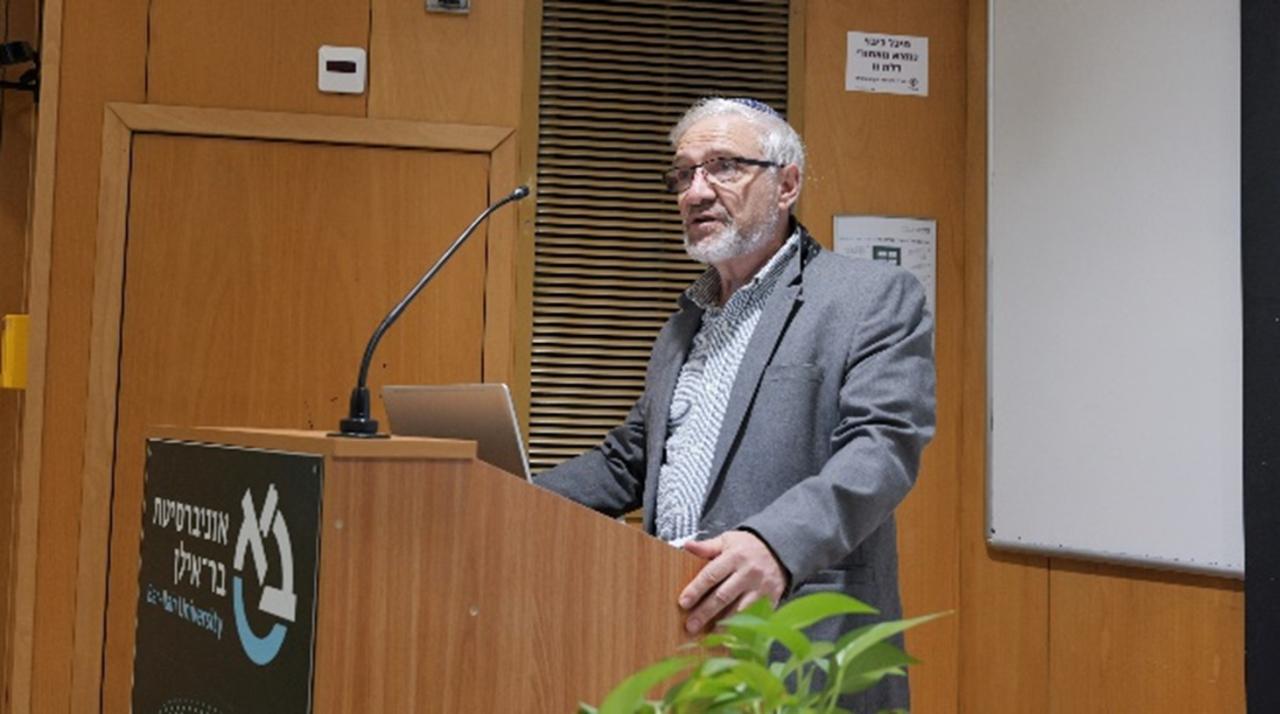
Dr. Odette Sela, Chief Scientist at the Ministry of Education, outlined current policy priorities and research initiatives within Israel's educational system. Prof. Iris BenDavid-Hadar, the workshop host, presented an innovative conceptual framework for the workshop and highlighted the importance of designing and reconceptualizing education finance policy through the lens of learning for strategic development. Her "Middle Line” Model suggests an innovative resource allocation method to education which is aimed to promote both state competitiveness and social cohesiveness.
Key Discussions and Contributions
Day One: Education Finance and Policy
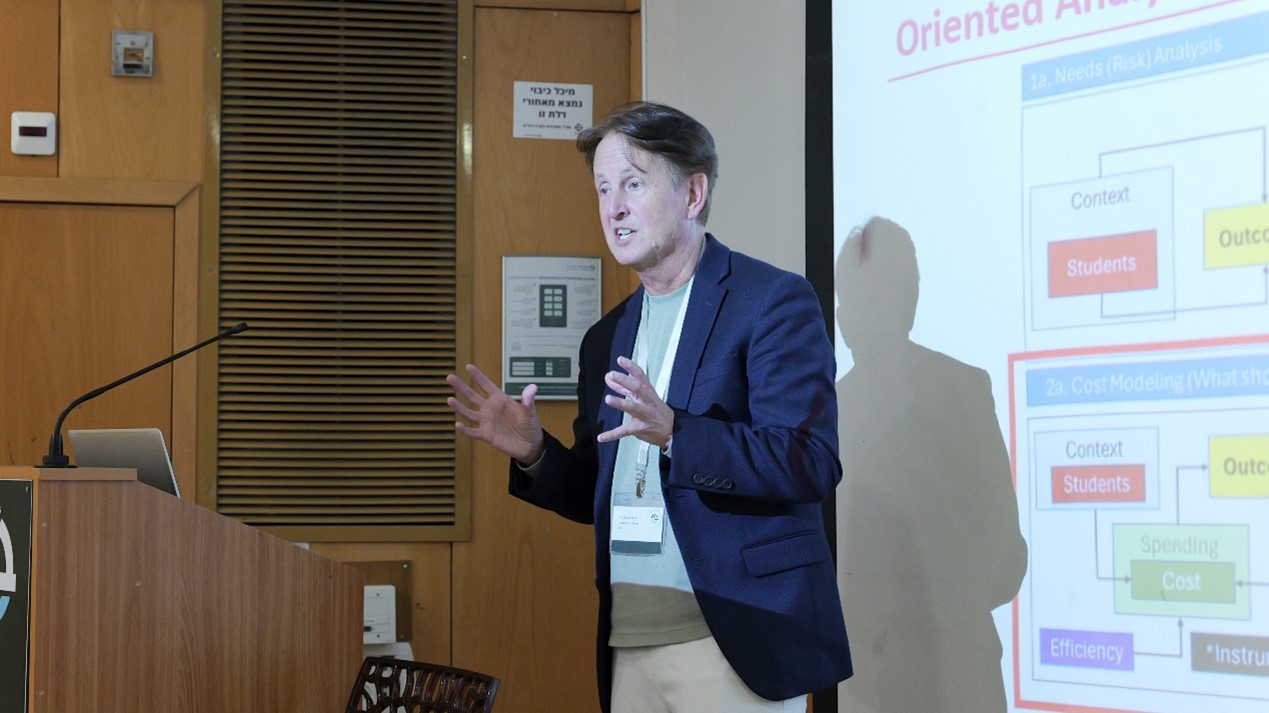
The workshop began with a presentation by Ambassador David Saranga from the Israeli Ministry of Foreign Affairs, who discussed the role of digital diplomacy in promoting educational initiatives globally. This was followed by Prof. Martin Carnoy (Stanford University), who presented compelling evidence that government spending on education significantly impacts outcomes for low-income students, challenging conventional skepticism about resource allocation effectiveness.
Prof. Zehavit Gross (Bar-Ilan University) explored how informal education approaches can promote equity, social cohesion, and resilience in diverse societies. Prof. Bruce Baker (University of Miami) presented a comprehensive framework for evaluating education finance systems, which was complemented by Dr. Jesse Levin's (AIR) practical applications of these evaluation methods.
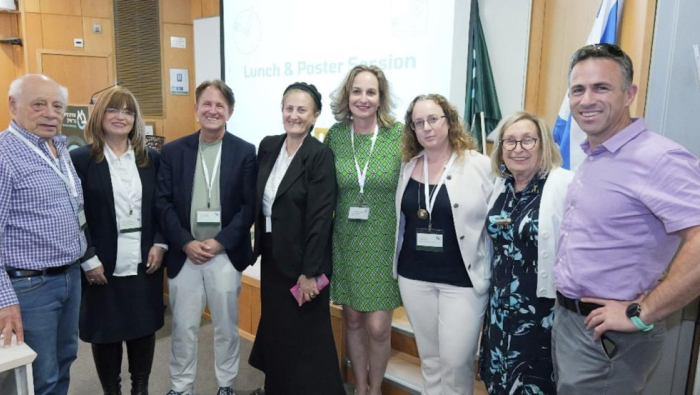
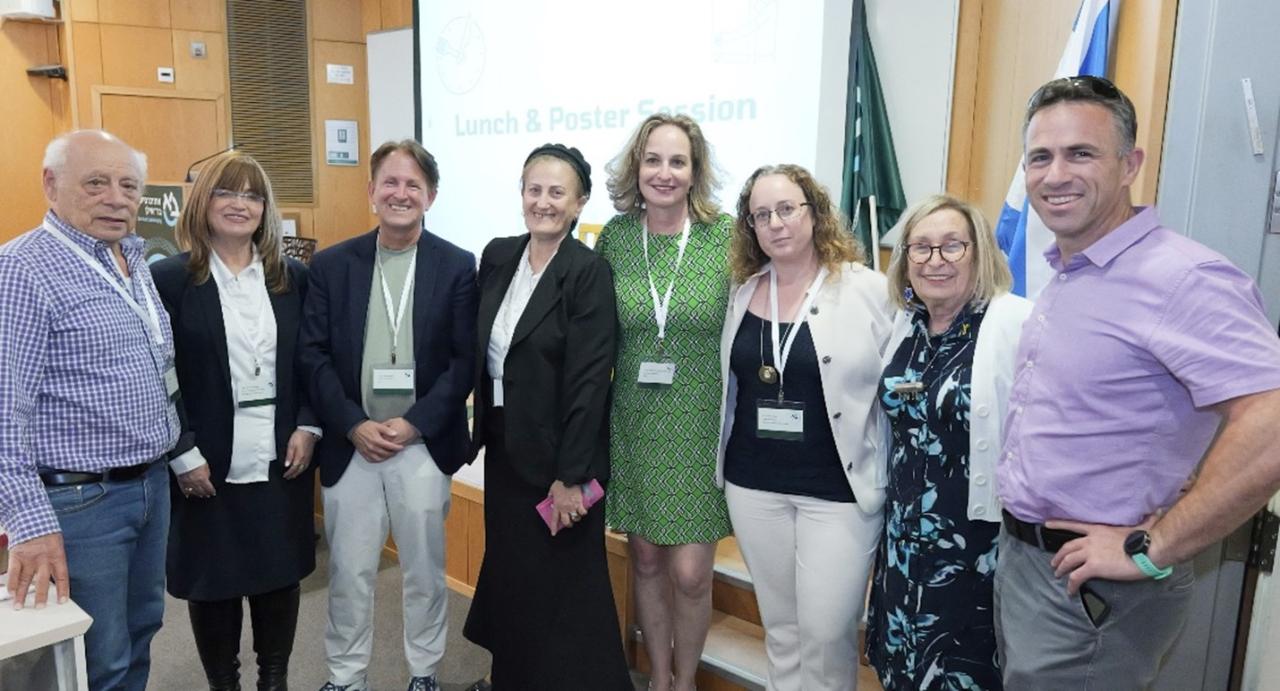
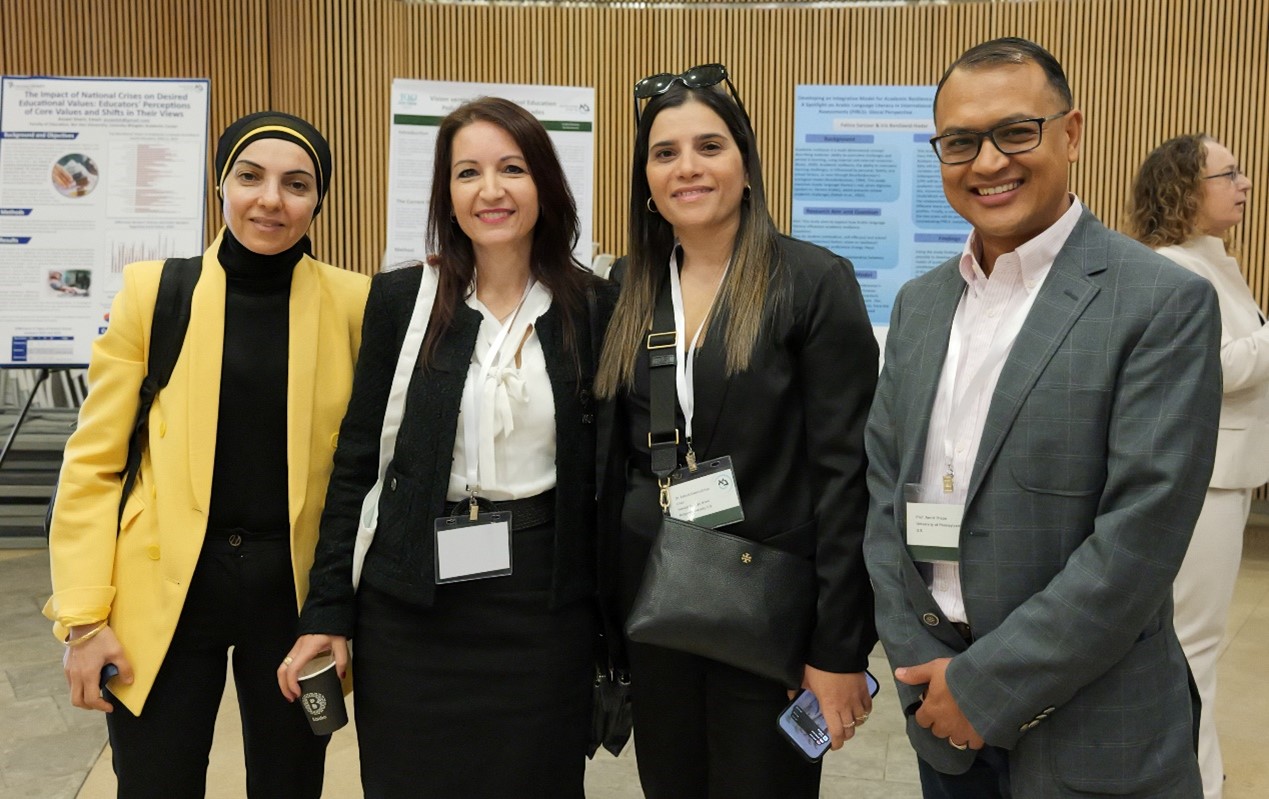
During lunch we had a poster session of our students (future leading researcher)
The afternoon sessions featured Prof. Amrit Thapa (University of Pennsylvania) discussing the economics of education in low- and middle-income countries, offering comparative perspectives on resource challenges. Prof. Samuel Abrams (Columbia University) provided a critical analysis of Milton Friedman's influence on public education, examining market-based reforms and their (in)equitable implications.
Dr. Annette Bamberger (Bar-Ilan University) analyzed how international organizations and large-scale assessments impact learning priorities and resource allocation decisions globally. Dr. Miriam Szamet (Mandel School of Educational Leadership) offered a historical perspective on equity and equality in public education systems.
The day concluded with Ms. Ruth Meoded's (Bar-Ilan University) presentation on "The Equity Challenge in an Era of Fiscal Decentralization." Her research revealed how local authority supplemental funding in Israel creates systematic educational inequities across socioeconomic status, ethnicity, and geography. She demonstrated that schools in wealthy, majority-populated, and central regions receive substantially more resources—up to eight times more in some cases—perpetuating achievement gaps despite national equity goals.
Day Two: Equity, Diversity, and Social Justice
Dr. Zehorit Dadon-Golan (Hemdat College, Rutgers University) opened the second day with an examination of education and inequality in Israel as a case study, providing critical analysis of systemic factors contributing to educational disparities. Mr. Moti Taubin (Yad Hanadiv Israel) shared insights from actual field actions on promoting equal opportunities through strategic philanthropic approaches in Israel.
Prof. Esther Adi-Japha (Bar-Ilan University) addressed the critical gaps in early childhood education policy, while Mr. Nachum Blass (Taub Center) presented an insightful analysis of differential school funding in Israel, examining the disconnect between policy intentions and realities. Prof. Adrian Ziderman (Bar-Ilan University) discussed challenges and opportunities in data sharing for education research.
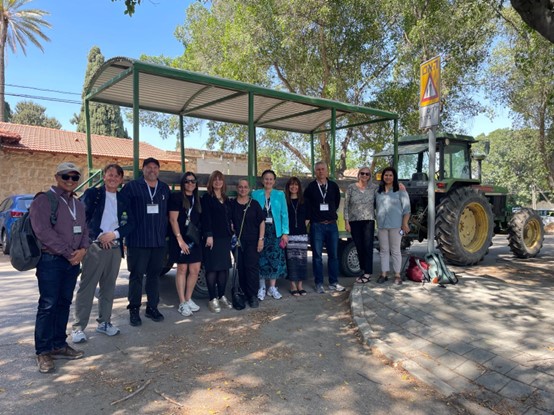
The day concluded with a special visit to Ben Shemen Youth Village led by Dr. Ilana Tischler. This Village is a unique learning setting that represents the Israeli spirit to our international guests.
Day Three: Global Competitiveness and Social Cohesion
The final day broadened perspectives to global competitiveness and social cohesion. Prof. Isak Froumin (Constructor University, Germany) explored the financing challenges of integrating artificial intelligence in higher education, with Dr. Tatiana Khavenson (Technion) providing commentary on implementation implications. Mr. David Mizrahi (Ministry of Education) shared the actual budget of education in Israel and introduced us to the challenges and insights on how public education budgeting can be leveraged as a tool to promote social mobility.
Prof. Maria Yudkevich (Haifa University) analyzed the transformative impact of academic excellence initiatives worldwide, while Prof. Pascale Benoliel (Bar-Ilan University) presented research on lived experiences of underrepresented minority groups in higher education. Prof. Orly Shapira-Lishchinsky (Bar-Ilan University) addressed international ethical perspectives on teacher professional growth and retention strategies.
Prof. Izhak Berkovich (Open University) explored contextual factors affecting social justice leadership across diverse settings. Prof. Ellen Goldring (Vanderbilt University) presented strategies for closing gaps in fragmented education systems through markets, evidence-based practice, and improvement science.
Prof. Audrey Addi-Raccah (Tel Aviv University) addressed digital divides and parental engagement across socioeconomic groups.
The workshop concluded with Dr. Sherry Ganon-Shilon, Dr. Emanuel Tamir, and Prof. Chen Schechter (Bar-Ilan University) presenting research on school leaders' sense-making of resource allocation within national reform implementation.
Significance and Impact:
Leading together or leading to nowhere?
LEAD ISF international workshop represented an important contribution to the international discourse on education finance and policy, bringing together diverse perspectives on reconceptualizing a more equitable, and effective learning for strategic development. The workshop's focus on both theoretical frameworks and practical applications underscored the importance of evidence-based approaches to addressing inequities in educational resource allocation across different contexts and populations as well as promoting improvement, taking a the nonlinear multi facet approach to it.
By facilitating dialogue between researchers, policymakers, and practitioners, the LEAD ISF international workshop created valuable opportunities for cross-pollination of ideas and potential collaborative solutions to persistent challenges in education finance and policy.Professional Summary: LEAD ISF International Workshop on Learning for Strategic Development
Leading together or leading to nowhere?
The LEAD: Learning for Strategic Development International ISF Workshop, hosted by Prof. Iris BenDavid-Hadar, Leadership, Organizational Development and Policy program at the Faculty of Education at Bar-Ilan University, took place from May 5-7, 2025. This significant academic gathering brought together leading researchers, policymakers, and practitioners from Israel and around the world to address critical issues in education finance, equity, and strategic development.
תאריך עדכון אחרון : 12/05/2025